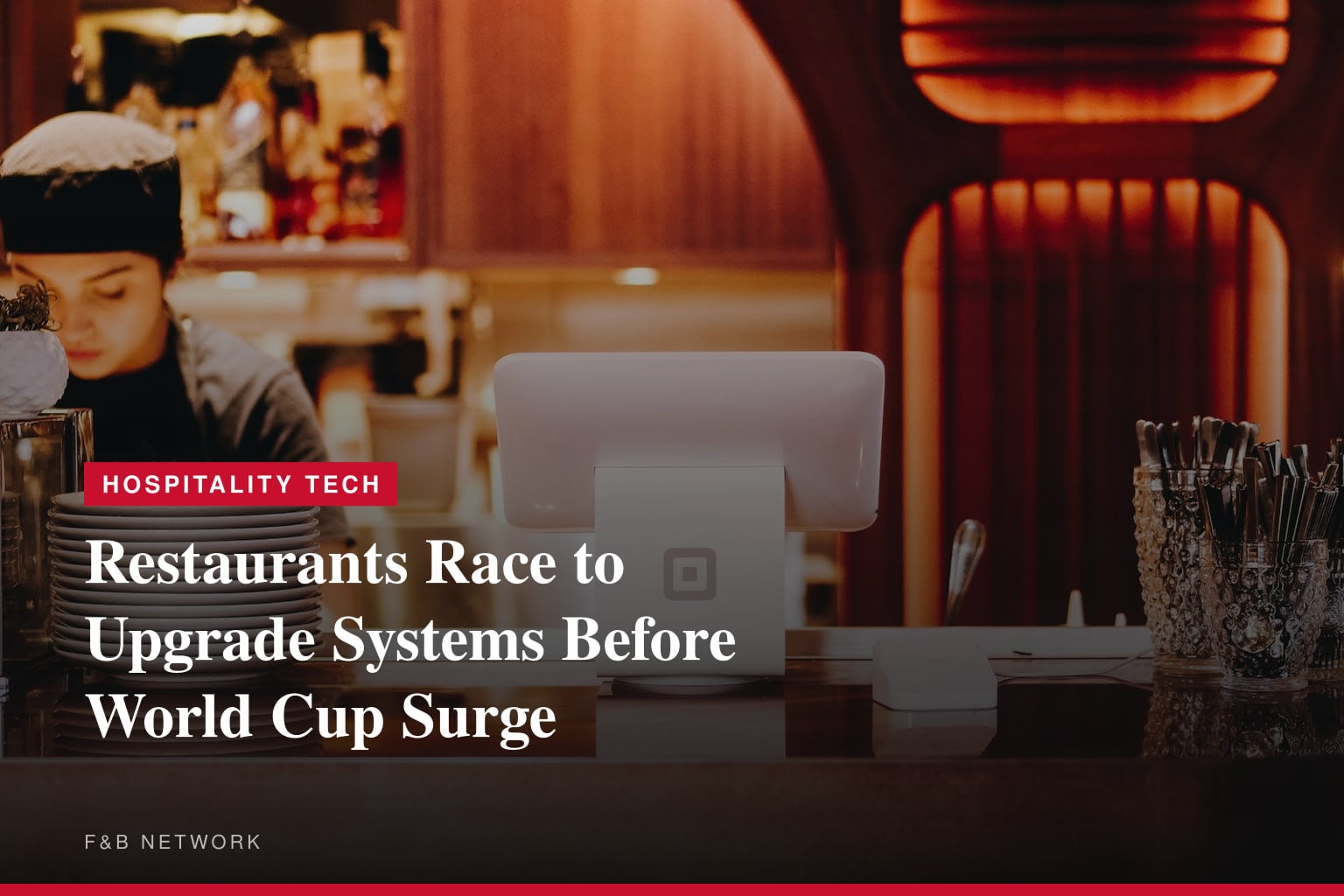
Digital Infrastructure Now Critical as Demand Peaks Restaurants preparing for global travel events like the FIFA World Cup are discovering that kitchen capacity and dining room seats tell only half the story. The real operational bottleneck happens before guests arrive—across search engines, websites, messaging platforms, and phone lines.
When demand spikes, fragmented reservation and inquiry systems fracture. At Continent Brooklyn, Chef Scotley Innis encountered this challenge as visibility increased.
"Great food brings people in," says Innis. "But if the systems behind the restaurant can't keep up, you start losing guests before they ever sit down."
From Discovery to Reservation: A Unified Flow The restaurant implemented an integrated AI infrastructure designed to connect guest discovery, digital reception, and reservation inquiries into a continuous operational flow. The system, powered by GOALS App AI, manages guest interactions across search, web, messaging, and phone channels while preserving continuity with in-person service.
Over a twelve-month period (May 2025–February 2026), the infrastructure handled more than 12,000 guest messages across digital channels, converting more than 3,000 structured conversations and capturing 2,666 qualified leads.
During peak demand periods, inquiry volume surged three to four times normal levels. The system contained more than 90 percent of those conversations without operational breakdown.
Why It Matters for Operators Hospitality leaders increasingly recognize that AI's value lies not in replacing staff, but in building resilience. Hotels and independent restaurants preparing for World Cup-driven demand must now architect the entire guest journey—from initial search through post-visit engagement. Operators who deploy this infrastructure early gain competitive advantage; those who wait may find themselves overwhelmed when volume arrives.
For more insights and trends in the food and beverage sector, check out more articles in The Food & Beverage Magazine family of publications.
Written by FBM Publications Editors