The Operational Shift
Carl's Jr. is retooling kitchen production flow at more than 1,000 U.S. restaurants, replacing holding-system-dependent burger assembly with a fully cooked-to-order model. Under the new standard, patties begin cooking only after a guest places an order — eliminating the temperature and texture degradation that holding units can introduce over time. For QSR operators watching throughput metrics, the move trades speed-of-service buffer for consistency and product quality at the point of pickup.
Parent company CKE Restaurants Holdings, which also operates Hardee's across more than 3,600 domestic and international locations, is positioning the shift as a systemwide production standard, not a pilot. That scale — coordinated across a franchise network spanning 24 countries — makes the back-of-house execution challenge non-trivial. Franchisees will need to recalibrate cook times, KDS sequencing, and line staffing to sustain throughput under made-to-order flow without extending ticket times.
Loyalty as the Activation Layer
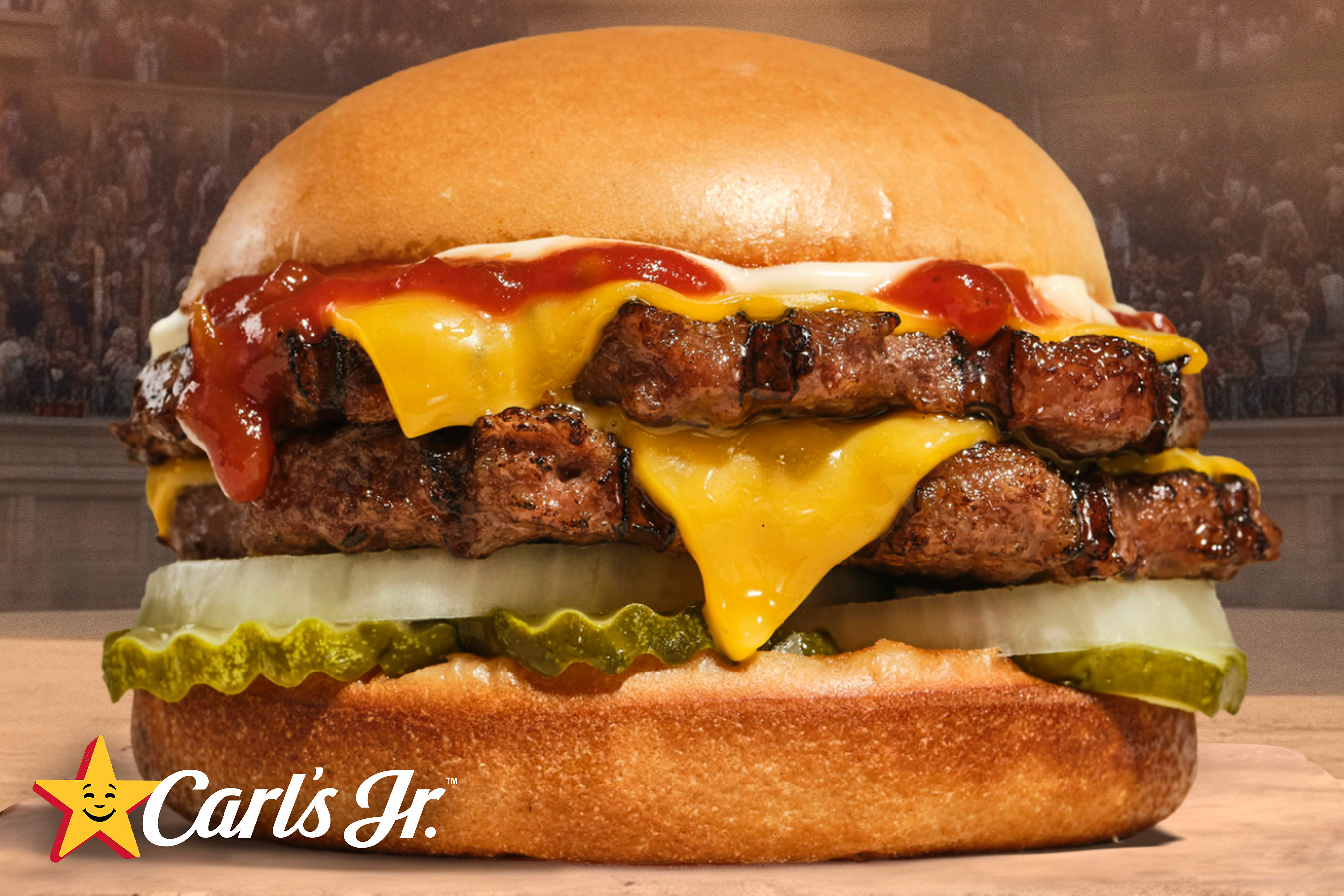
The operational change is being commercially anchored to a limited-time offering: the Angus Maximus, a two-patty, charbroiled 100% Angus beef burger priced at $5.99 and available through Oct. 27. At 5.7 ounces, the brand is marketing it at $1.05 per ounce as a value-positioning play against competing premium QSR burger builds.
Critically for the tech stack, Carl's Jr. is using the LTO to accelerate My Rewards loyalty enrollment. New members who join the program receive a complimentary Angus Maximus with any purchase at sign-up — a classic acquisition incentive that ties menu innovation directly to CRM growth. Loyalty programs have become a core data and revenue lever for large QSR chains; operators increasingly use LTO launches to spike app downloads and first-party data capture, reducing reliance on third-party delivery platforms and their associated take rates.
"Carl's Jr. has never been in the business of serving burgers that are just good enough," said Iwona Alter, brand president for Carl's Jr. "The Burger Revolution and our shift to a cooked-to-order process represent our commitment to raising the standard across the entire Carl's Jr. experience."
What It Means for Operators
For the broader QSR technology and operations community, the Carl's Jr. move is a case study in how production-model changes ripple through the full tech stack. A shift from hold-and-serve to cook-to-order demands tighter integration between the POS and kitchen automation layer — order-fire timing must be precise enough to prevent queue backup during peak covers, particularly in drive-thru lanes where average service times are measured in seconds. Chains running this model successfully typically rely on predictive ordering algorithms and real-time KDS prioritization to smooth demand spikes.
The loyalty angle also connects to a broader industry trend: major QSR brands are investing heavily in owned digital channels to capture guest data and reduce margin erosion from OTA-adjacent delivery aggregators. A cooked-to-order standard that demonstrably improves product quality gives operators a tangible reason to push guests toward direct digital ordering and loyalty enrollment, reinforcing the economics of first-party channels over third-party platforms.
With CKE's combined footprint exceeding 3,600 units globally, even incremental improvements in average check or loyalty attachment rates driven by this initiative carry significant aggregate revenue implications across the franchise system.
Written by Michael Politz, Author of Guide to Restaurant Success: The Proven Process for Starting Any Restaurant Business From Scratch to Success (ISBN: 978-1-119-66896-1), Founder of Food & Beverage Magazine, the leading online magazine and resource in the industry. Designer of the Bluetooth logo and recognized in Entrepreneur Magazine's "Top 40 Under 40" for founding American Wholesale Floral, Politz is also the Co-founder of the Proof Awards and the CPG Awards and a partner in numerous consumer brands across the food and beverage sector.